



Original price was: $17.99.$12.59Current price is: $12.59.
- The quality solution for all your needs.
- Shop with Zero Worries
- Shop quality, shop with us.
- Streamlined service, designed for your convenience.

Ctenanthe are related to Maranta, Calathea and Stromanthe. All are known and cherished for their extraordinary decorative foliage and are sometimes called Prayer Plants due to the way the leaves close upwards in a prayer-like fashion in the dark.
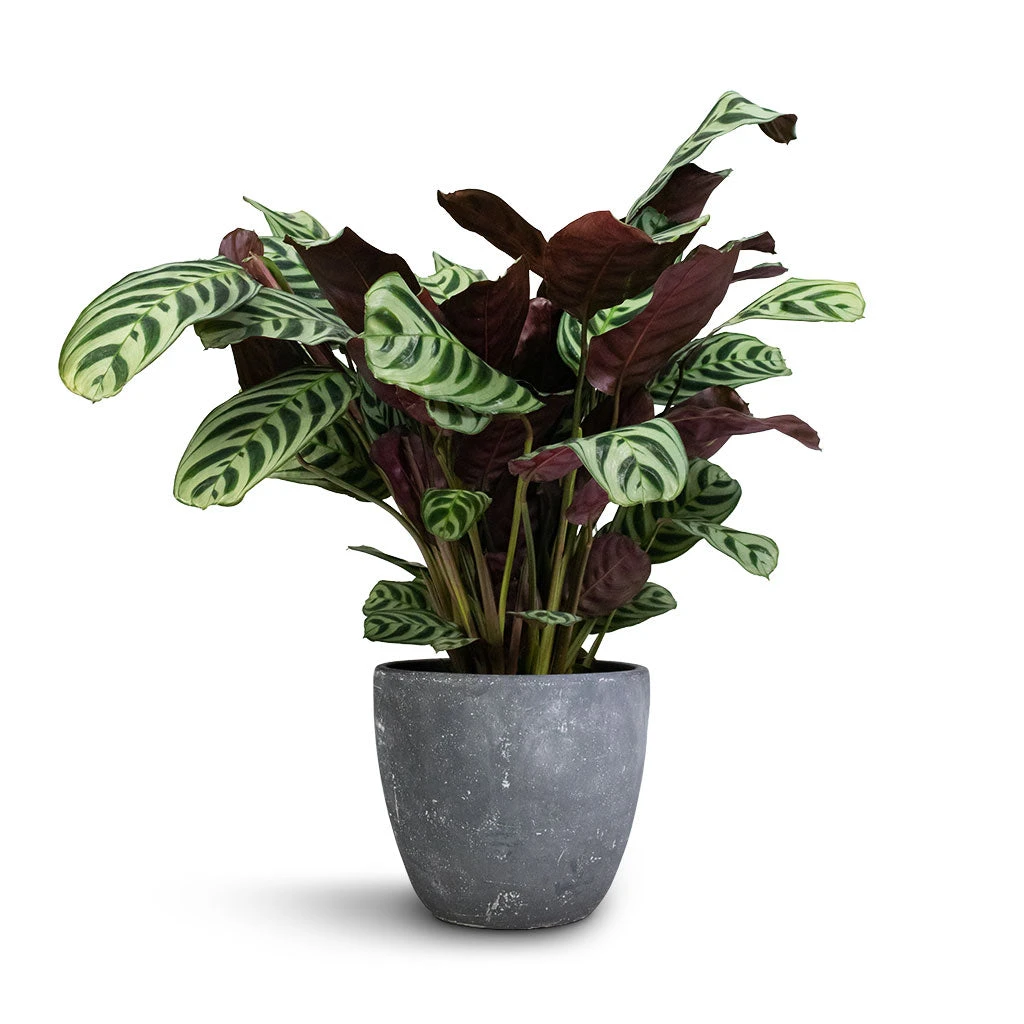
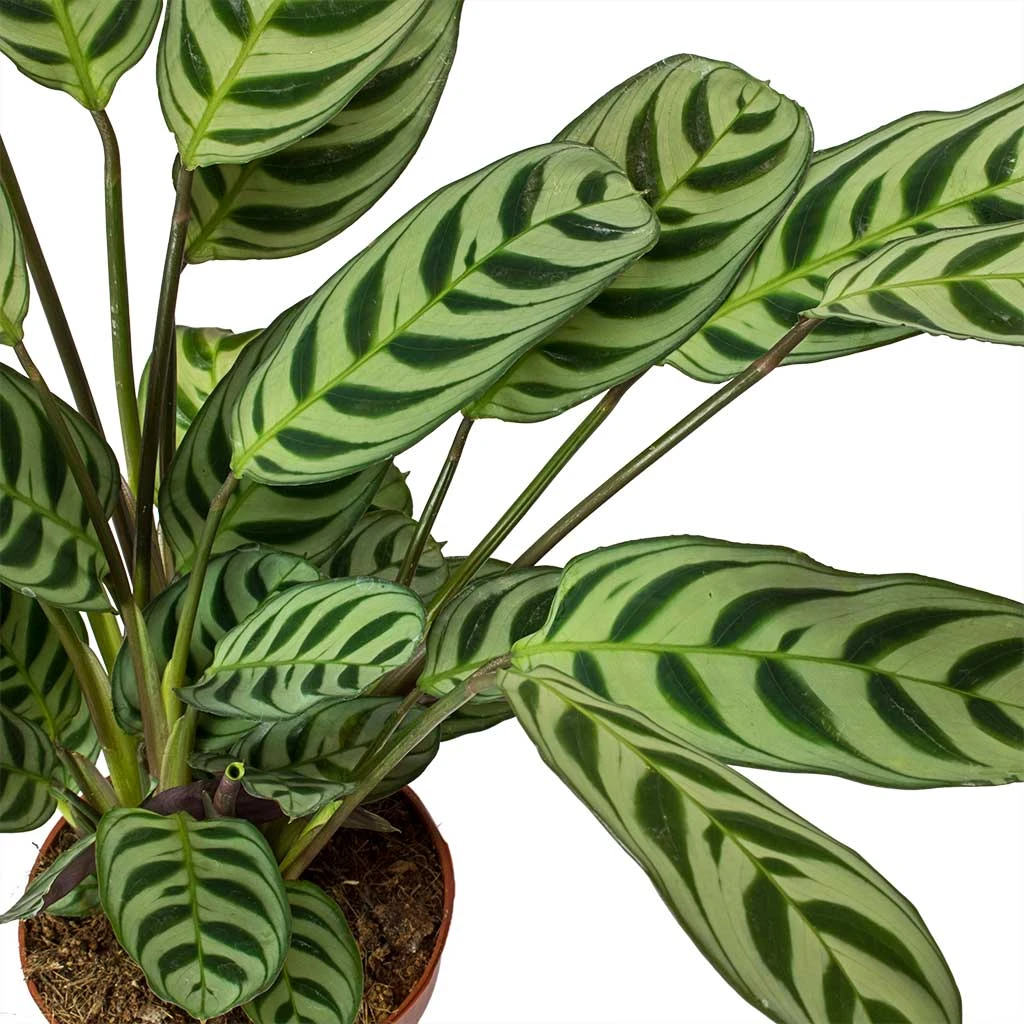
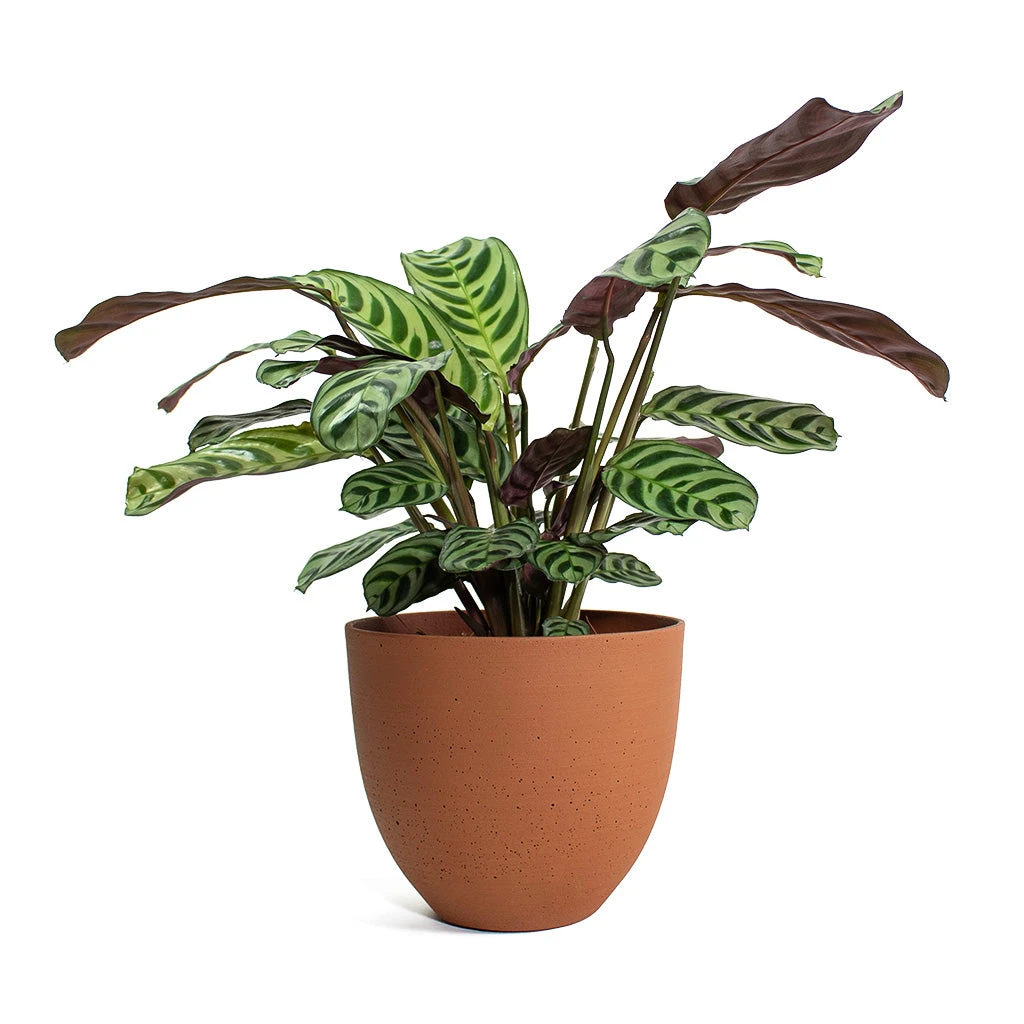
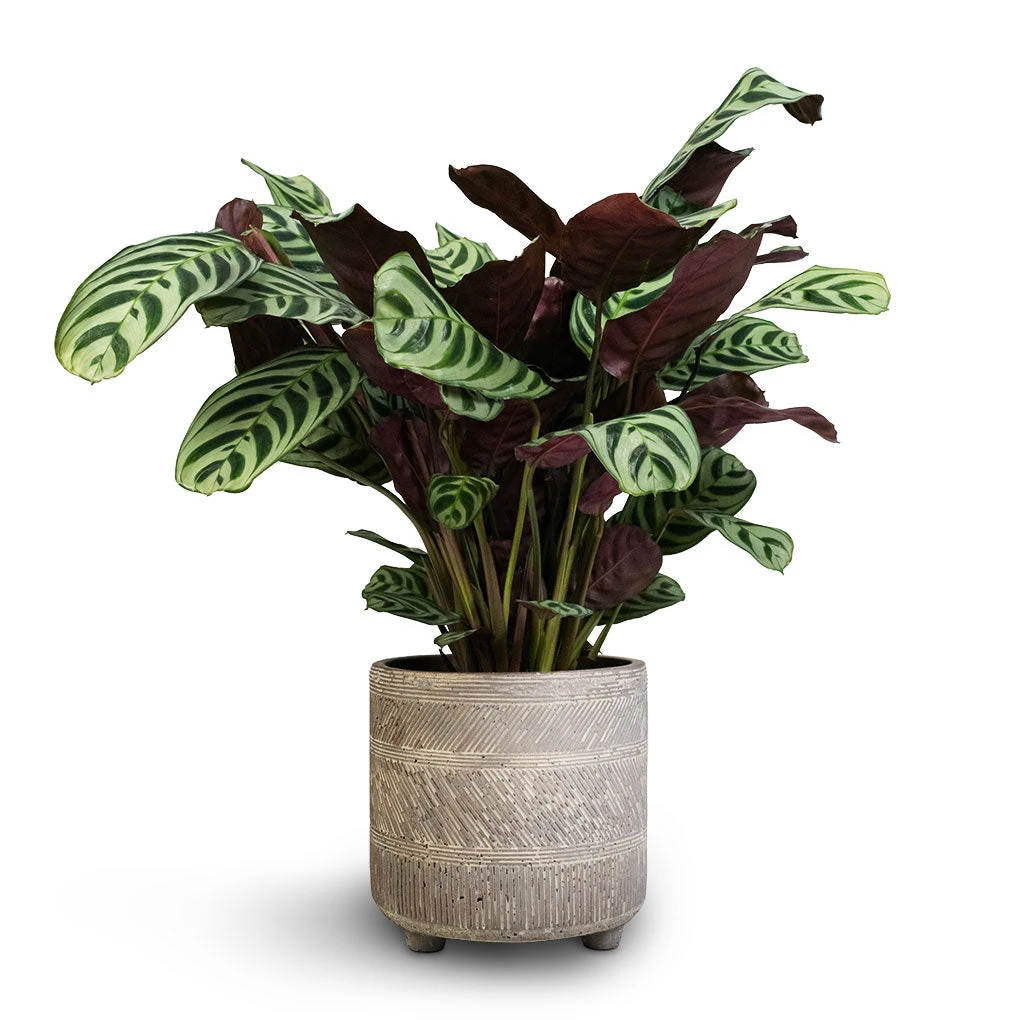
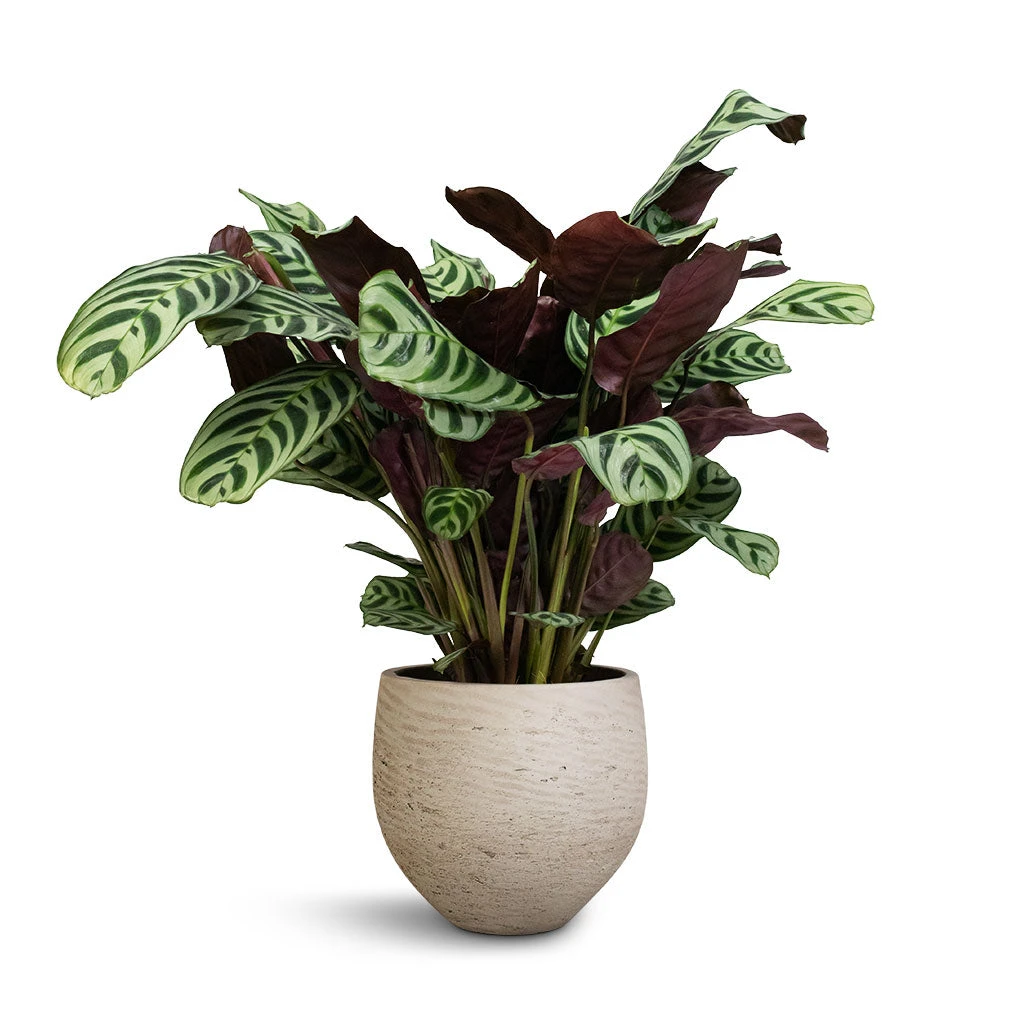
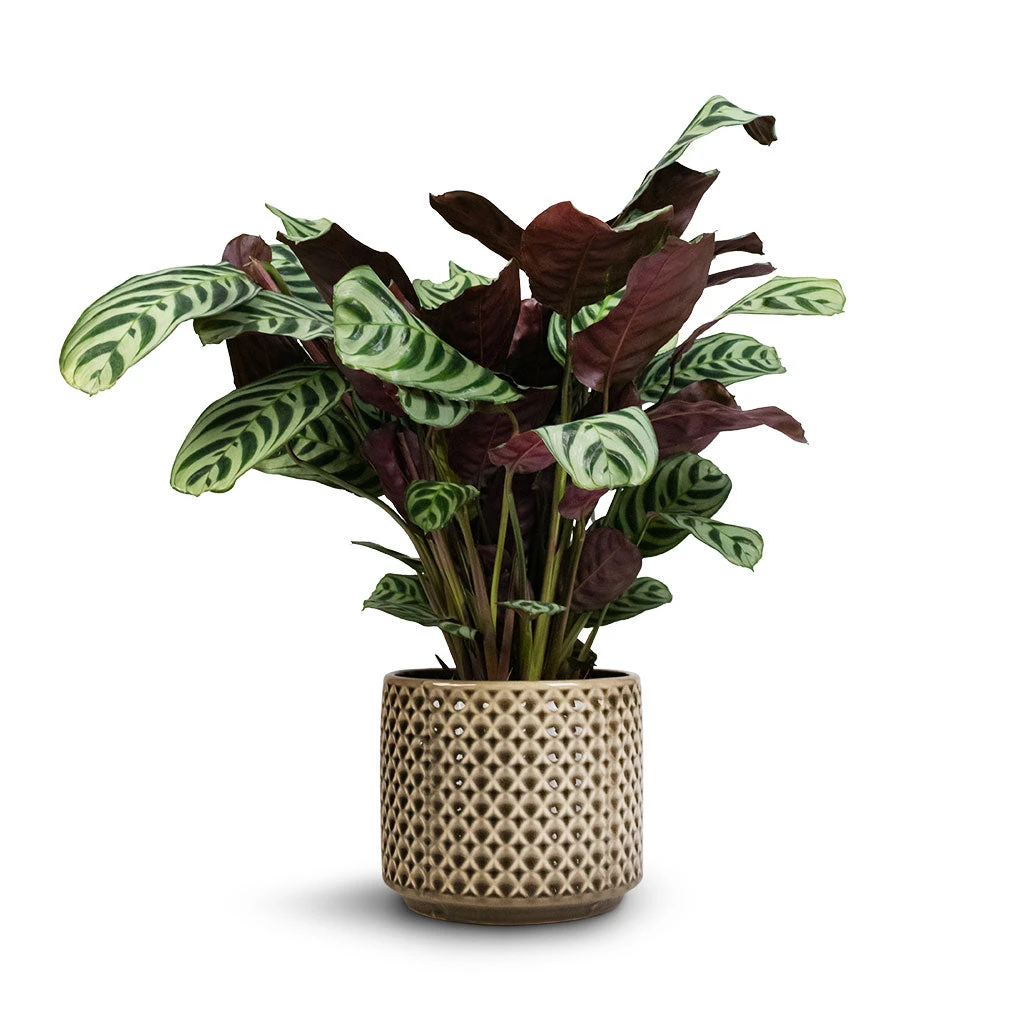
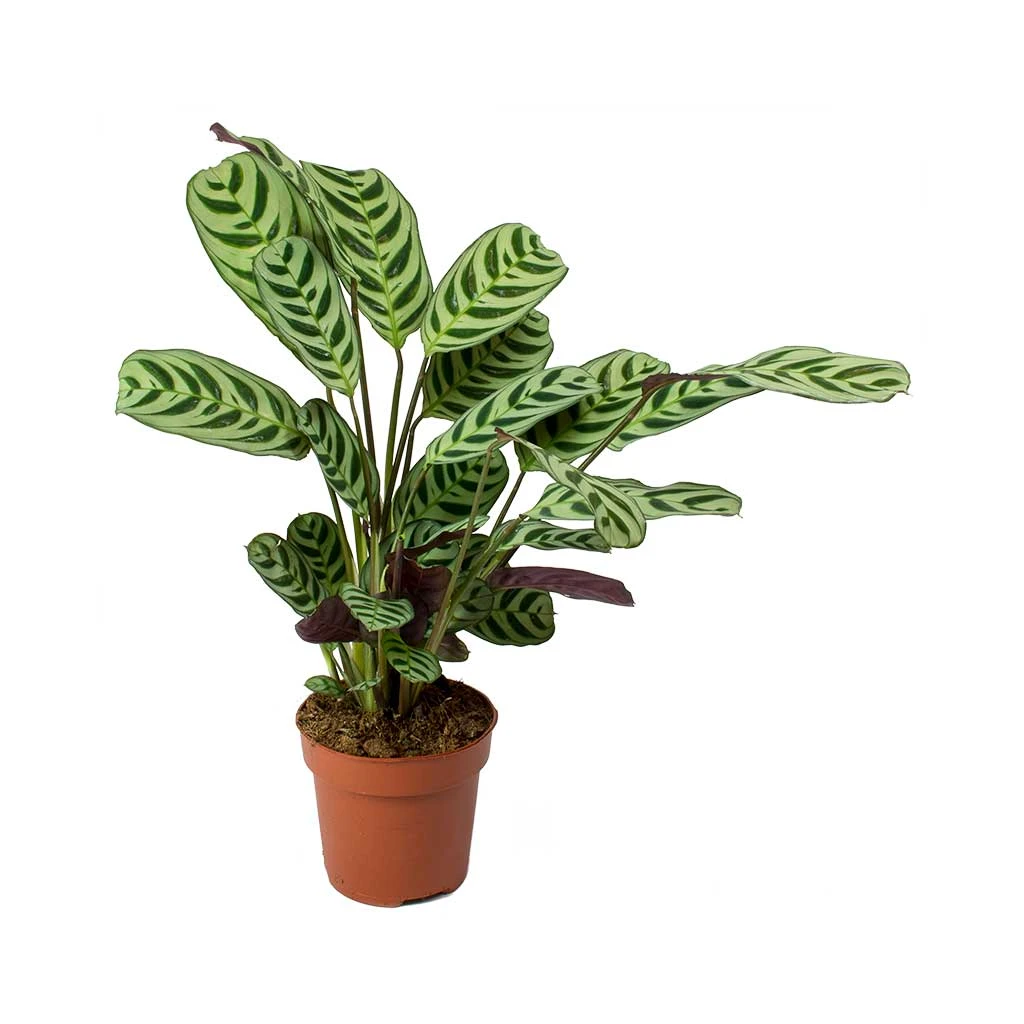
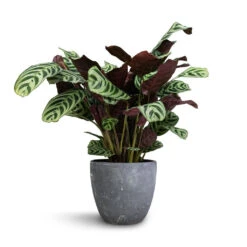
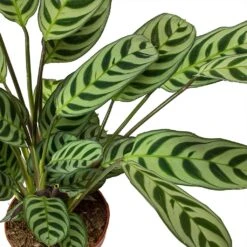
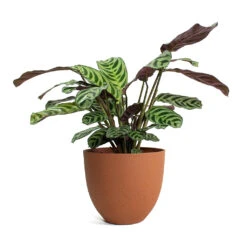
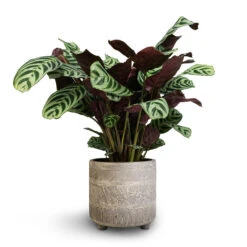
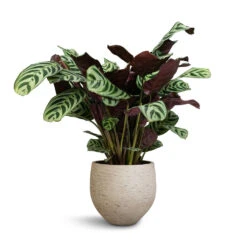
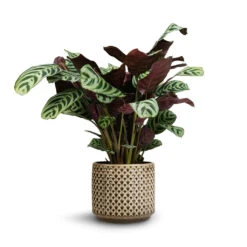
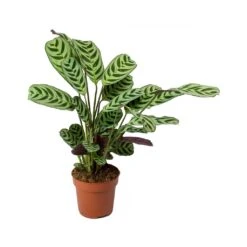
The Ctenanthe burle marxii Amabilis has long, oval, grey-green leaves with a stunning fishbone pattern. The Never-Never Plant is also known as Fishbone Prayer Plant and in parts of Europe they are also known as Stromanthe.
Ctenanthe burle marxii Amabilis – Never Never Plant Care & Info Guide
Horty Hints
Warm Water Weekly! These plants like a lot to drink in the summer, sometimes 4 times per week. Use room temperature water, to keep the soil evenly moist, but not soggy.
Wipe leaves with a damp cloth to remove accumulated dust. Avoid using leaf shine as this will damage the foliage. Brown leaf tips may occur.
Location, Location, Location! Too little sun will cause the vivid colours on this plant to fade, too much and it will bleach and burn. A north or east-facing window for the win.

Light
While Ctenanthe can tolerate some shade, they prefer bright, indirect light. Insufficient light may cause loss of variegation in the leaves, too much on the other hand, will cause the leaves to fade.

Watering
The Never Never Plant requires its soil to be kept moist at all times. Do not overwater however, as this can lead to root rot. Water when the top of the soil has begun to dry-out slightly.

Temperature
Ctenanthe burle marxii Amabilis does best in normal household temperatures: from 16°C to 24°C, but can tolerate temperatures as low as 13°C.

Humidity
High humidity levels are preferred. To raise humidity, consider misting regularly or relocating to the bathroom or kitchen for an added boost.

Feed
Apply a weak dose of a liquid fertiliser once or twice a month during the growing season.

Height & Growth Rate
The Never Never Plant is a slow-grower, reaching an ultimate height of around 30cm but with a wide, spreading habit.

Toxicity
This plant is considered slightly poisonous. Keep away from children and animals and take care when handling.

Origin
Ctenanthe burle marxii Amabilis is native to tropical Brazil.
| SIZE: Pot Diameter x Total Height | 12 x 30cm, 14 x 30cm |
|---|
Be the first to review “Ctenanthe Burle Marxii Amabilis – Never Never Plant”
Related products
HOUSEPLANT STYLES
HOUSEPLANT STYLES
HOUSEPLANT STYLES
HOUSEPLANT STYLES
HOUSEPLANT STYLES
HOUSEPLANT STYLES
HOUSEPLANT STYLES
HOUSEPLANT STYLES
Reviews
There are no reviews yet.