








Original price was: $14.99.$10.49Current price is: $10.49.
- The quality solution for all your needs.
- Shop with Zero Worries
- Shop quality, shop with us.
- Streamlined service, designed for your convenience.

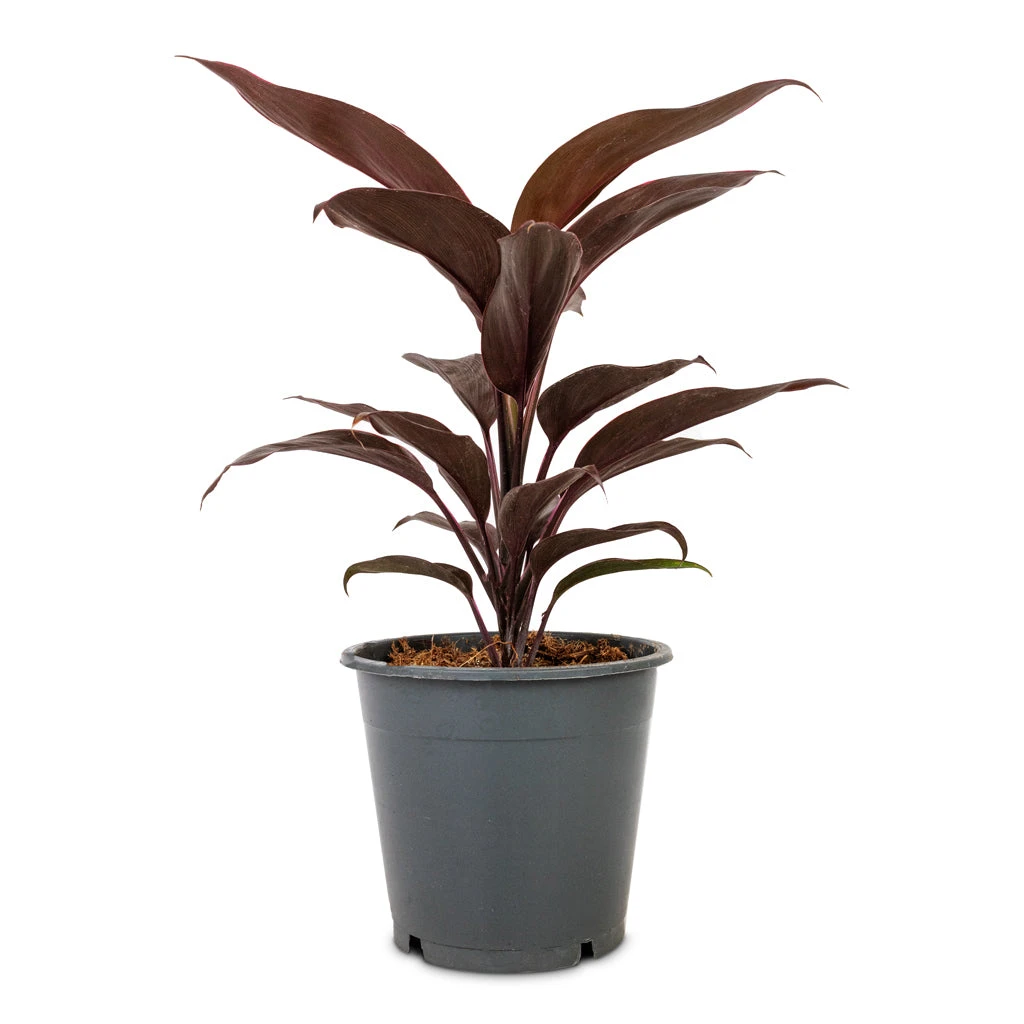
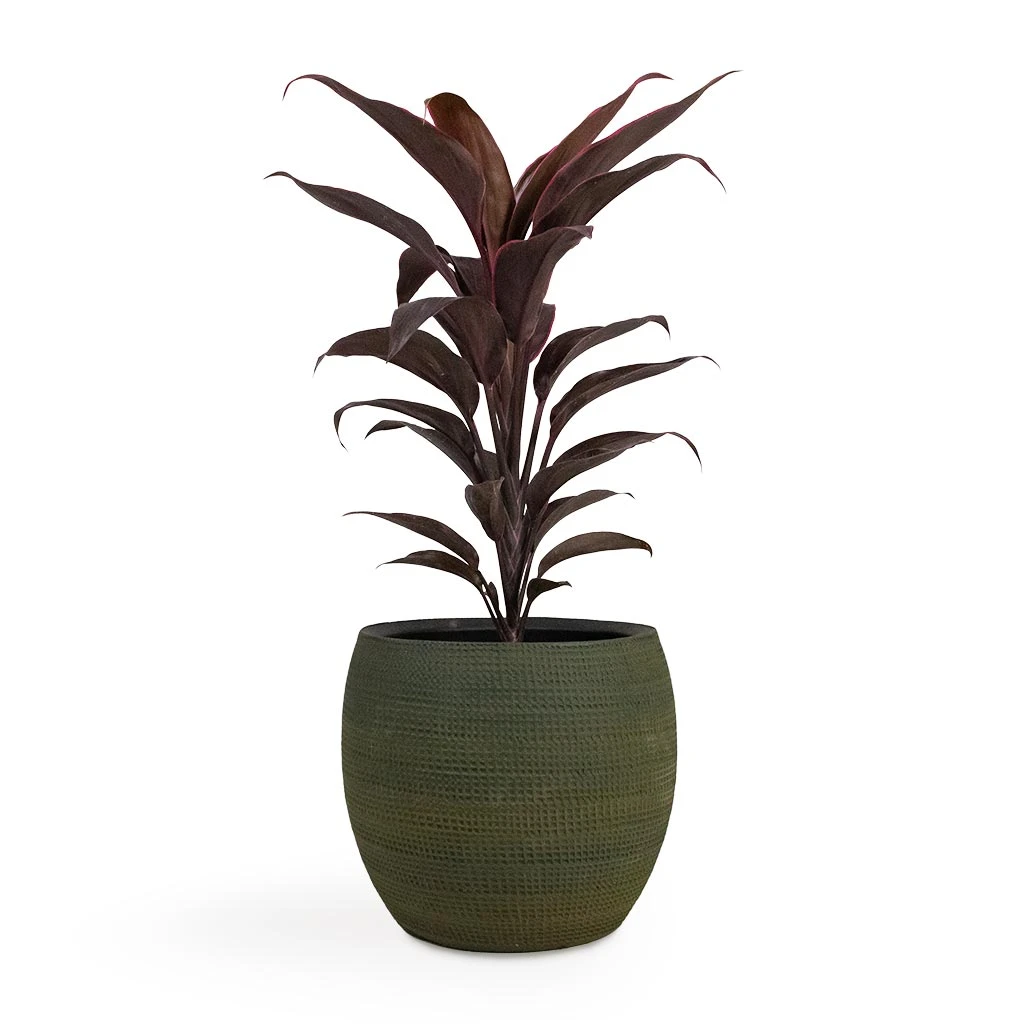
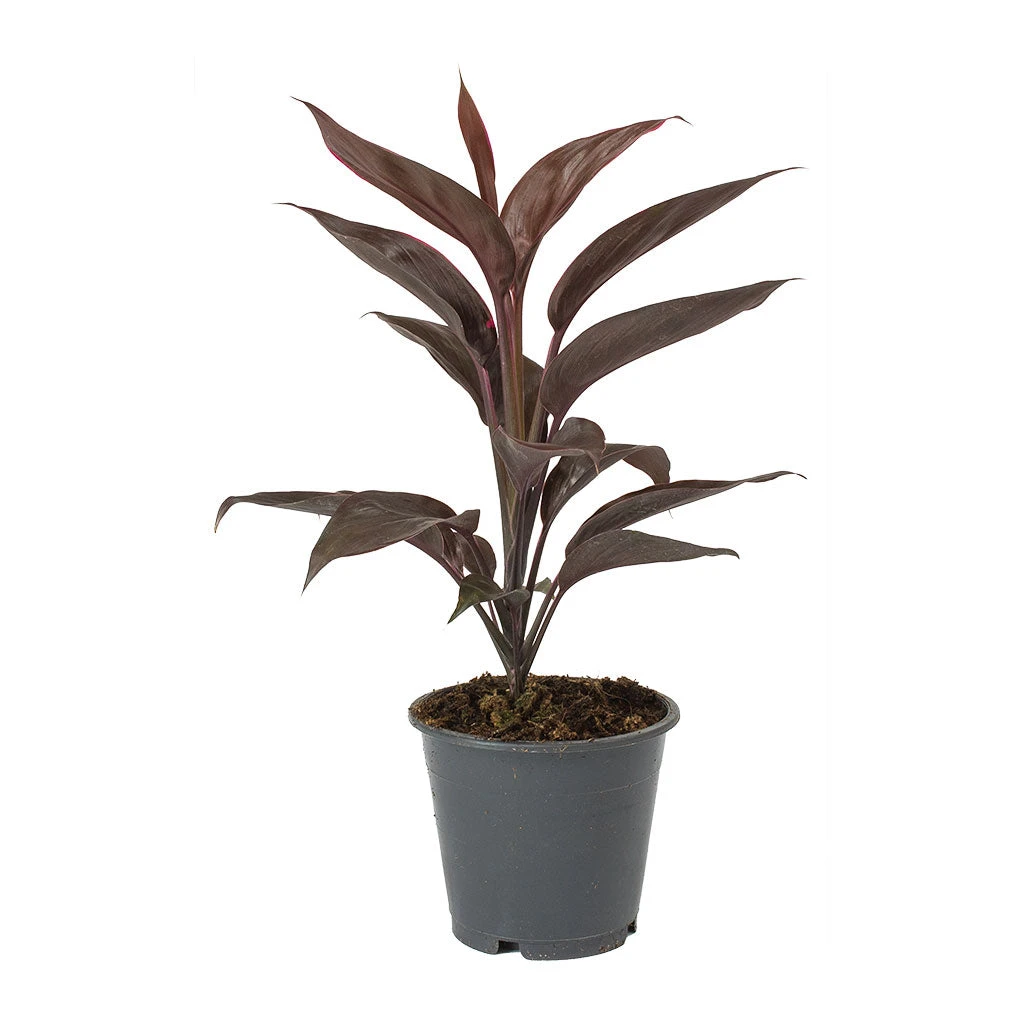
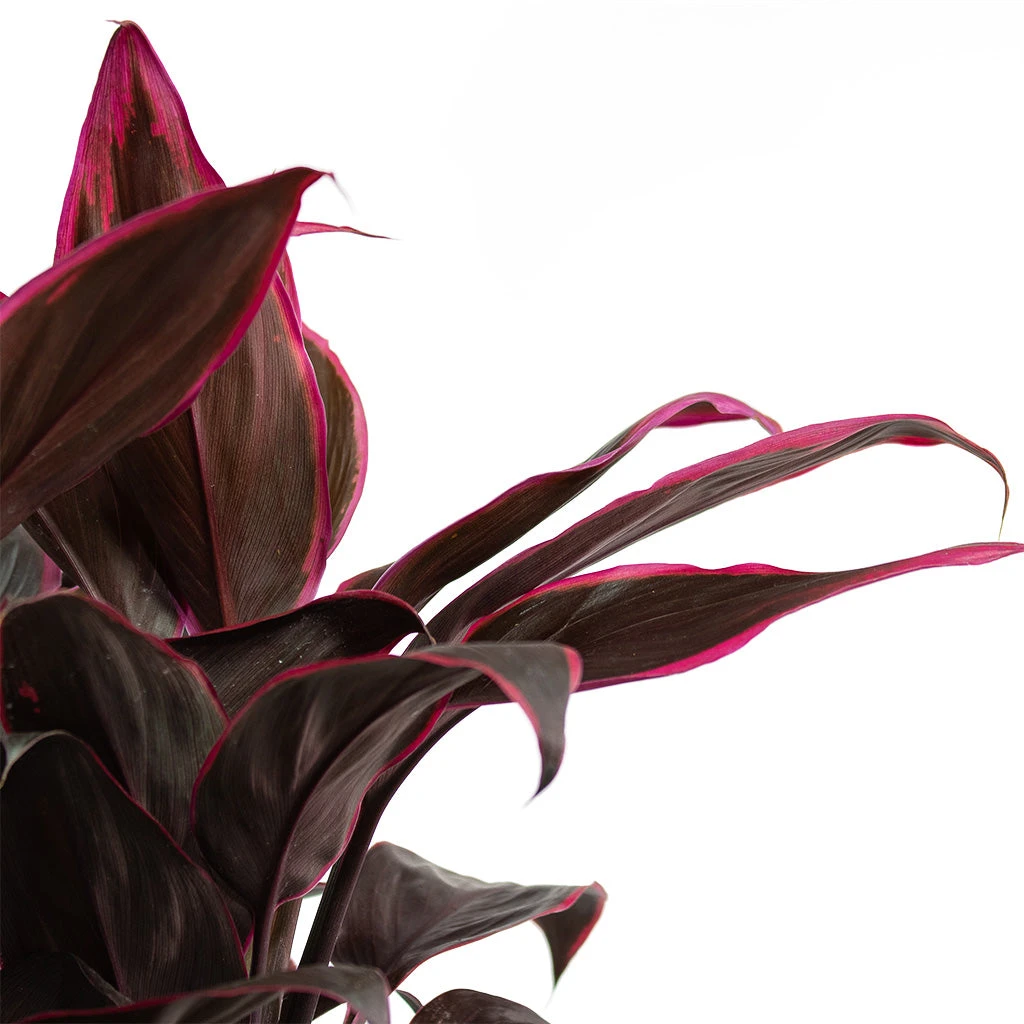
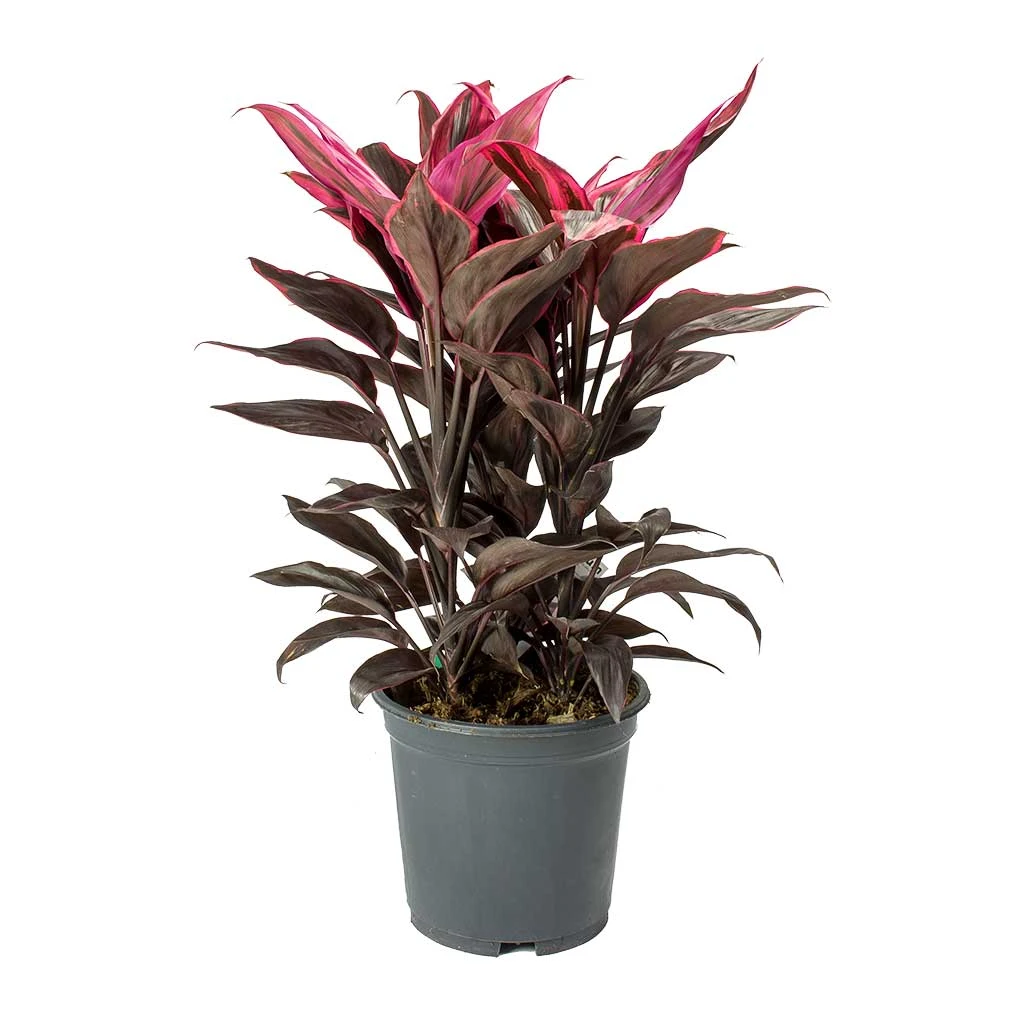
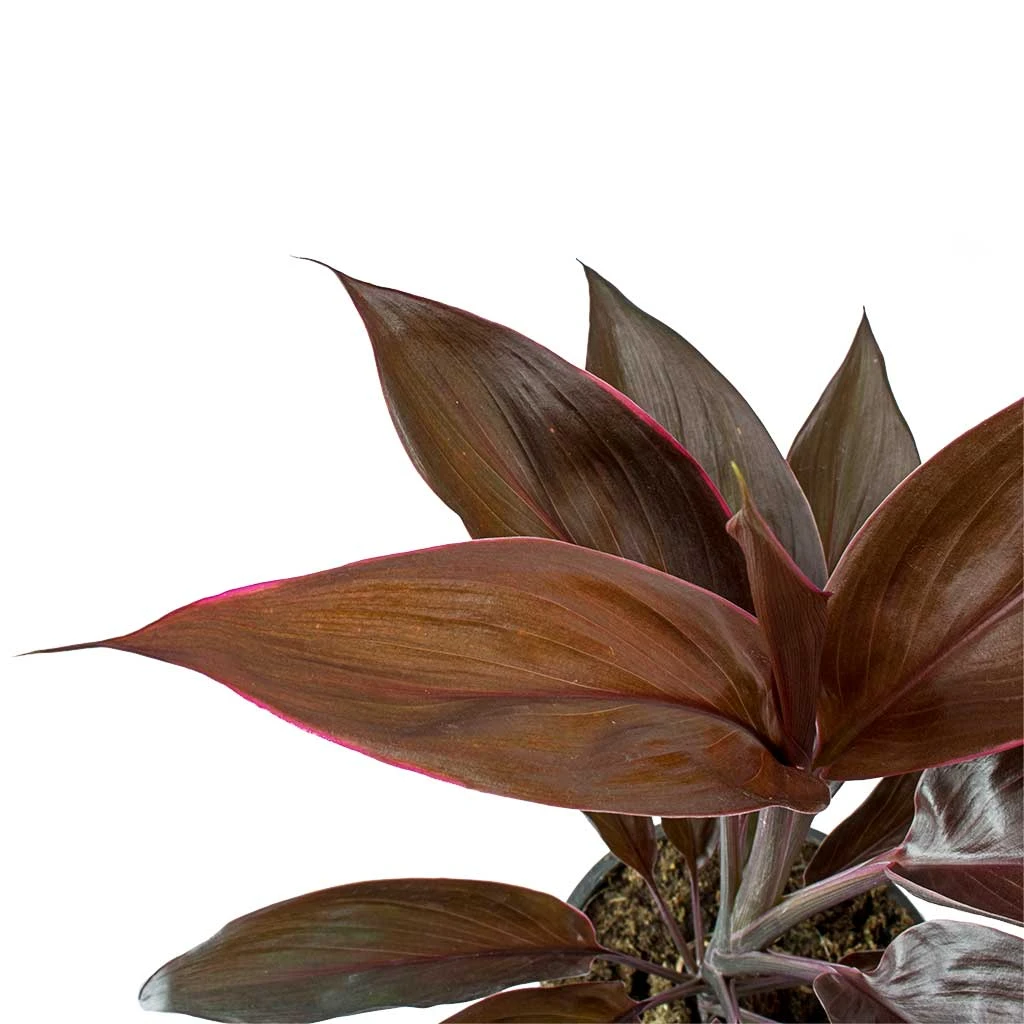
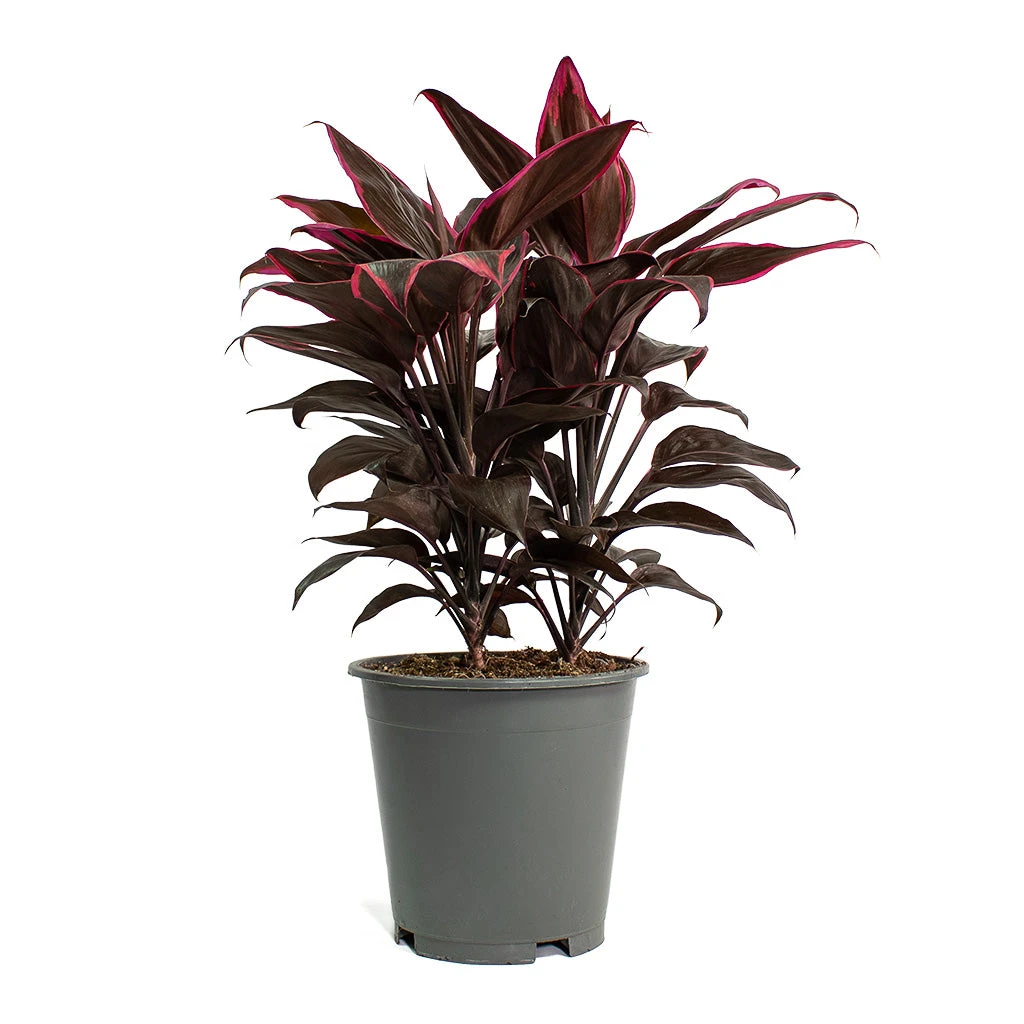
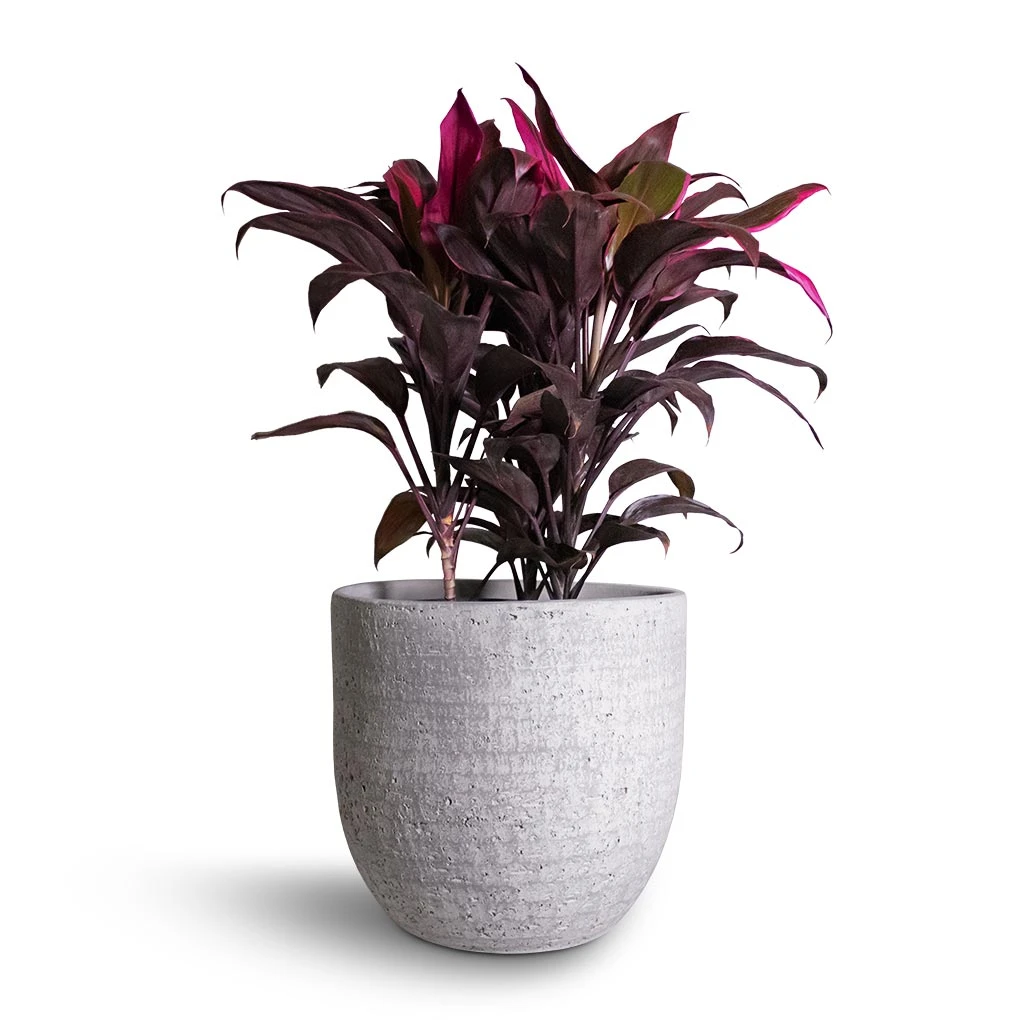
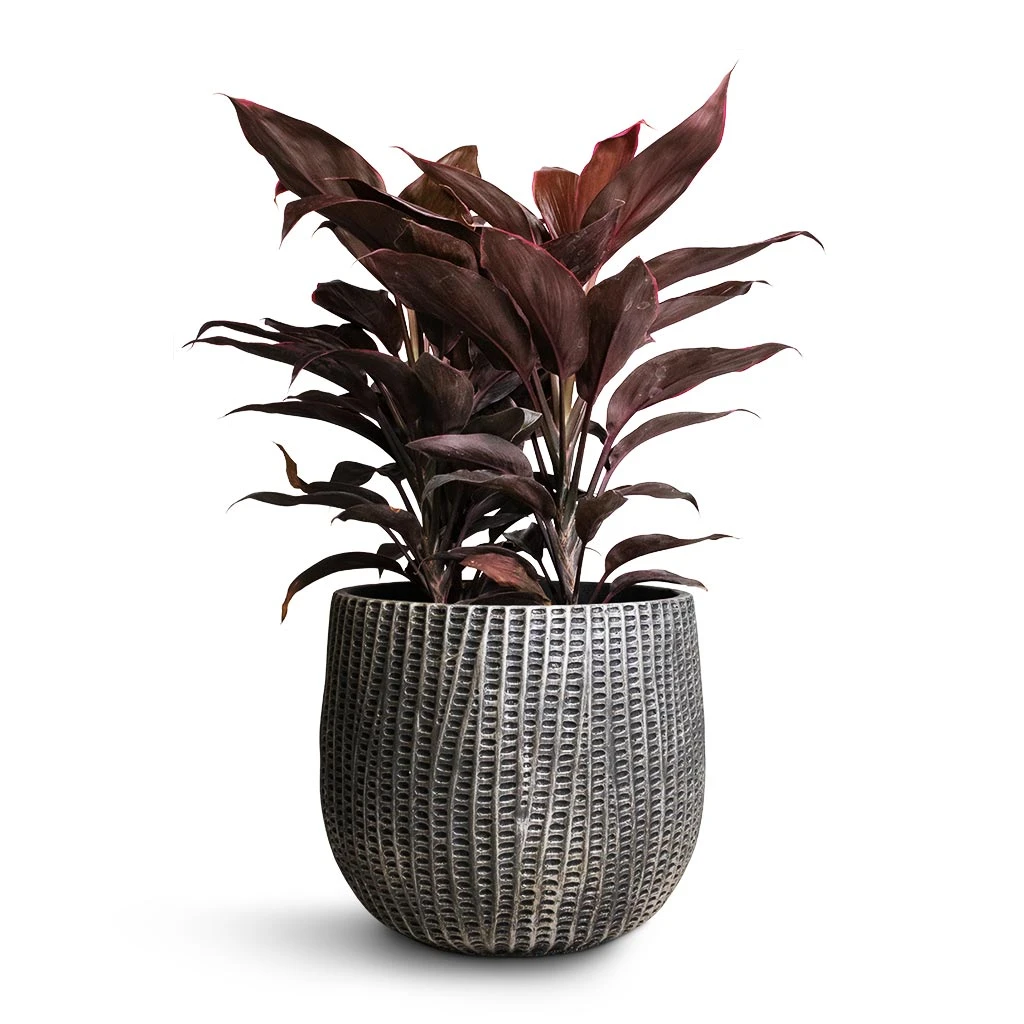
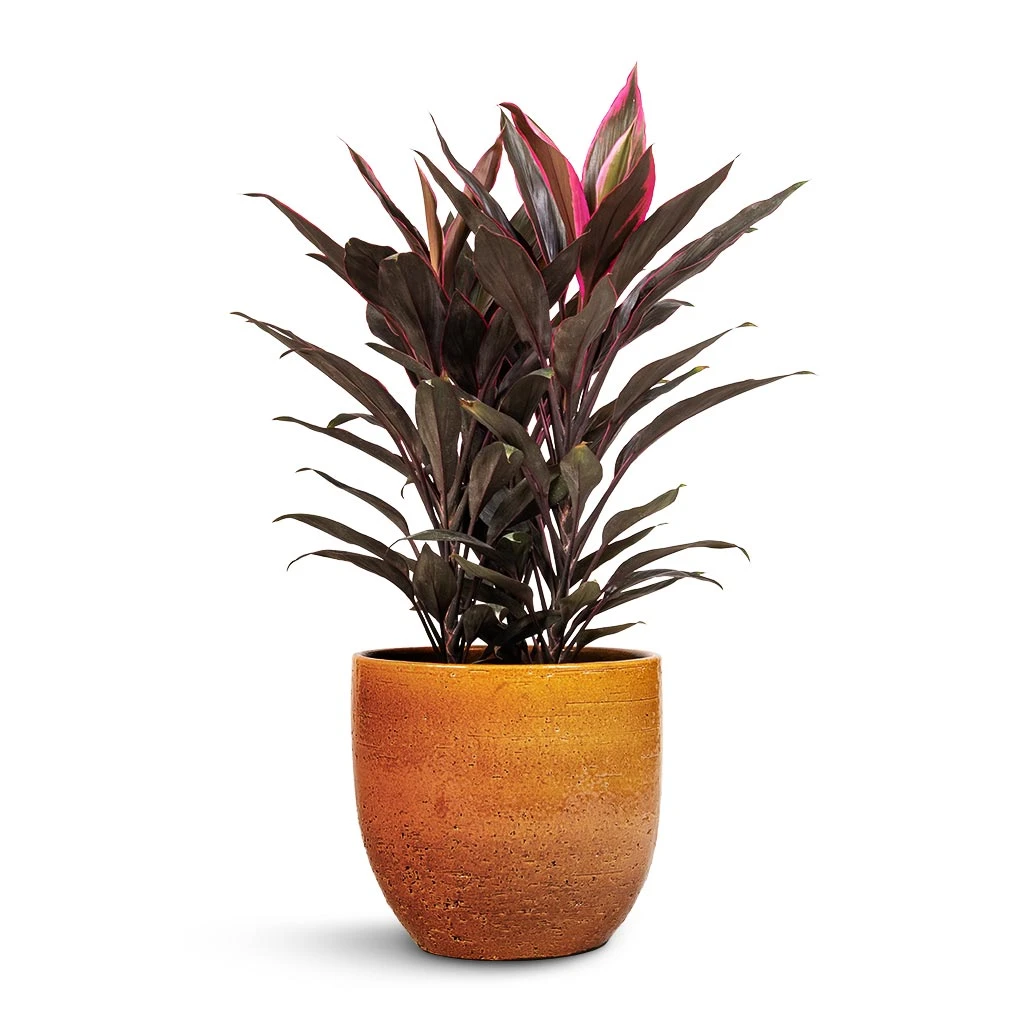
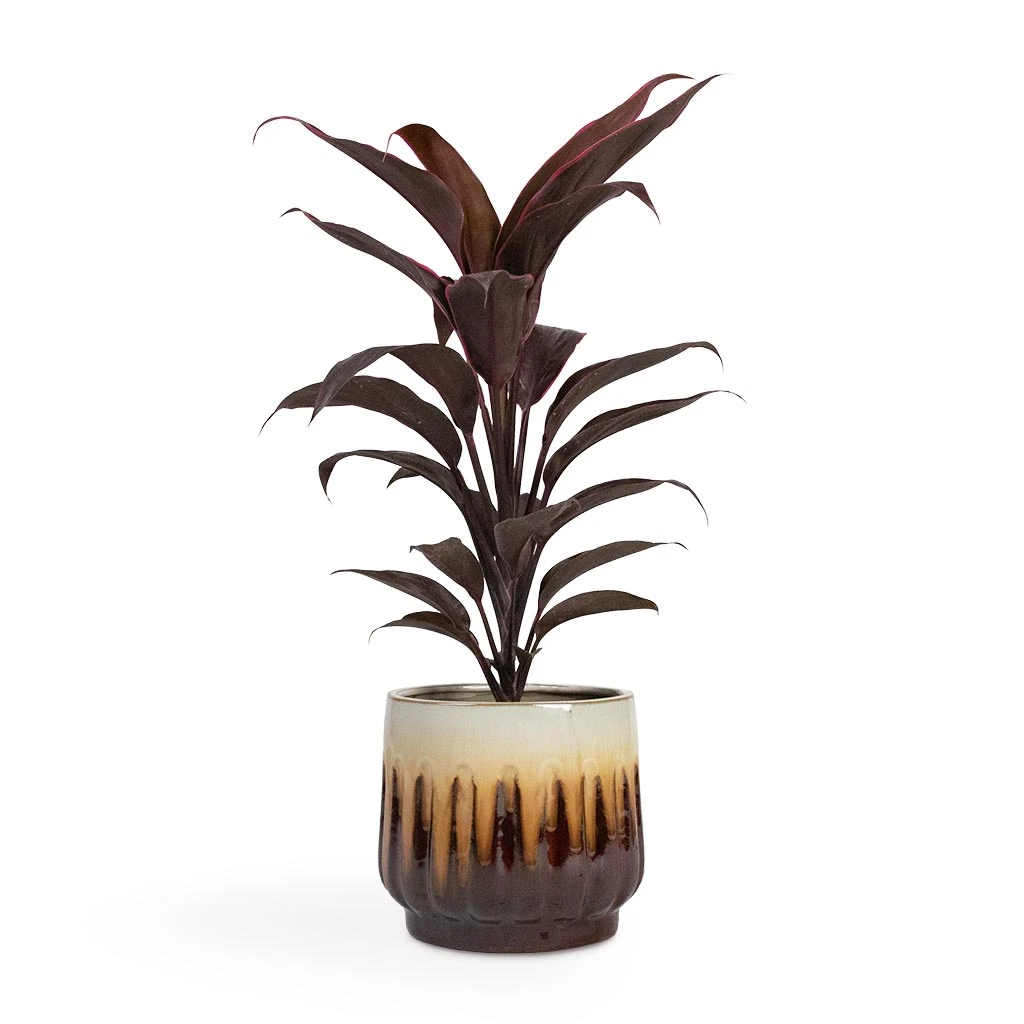
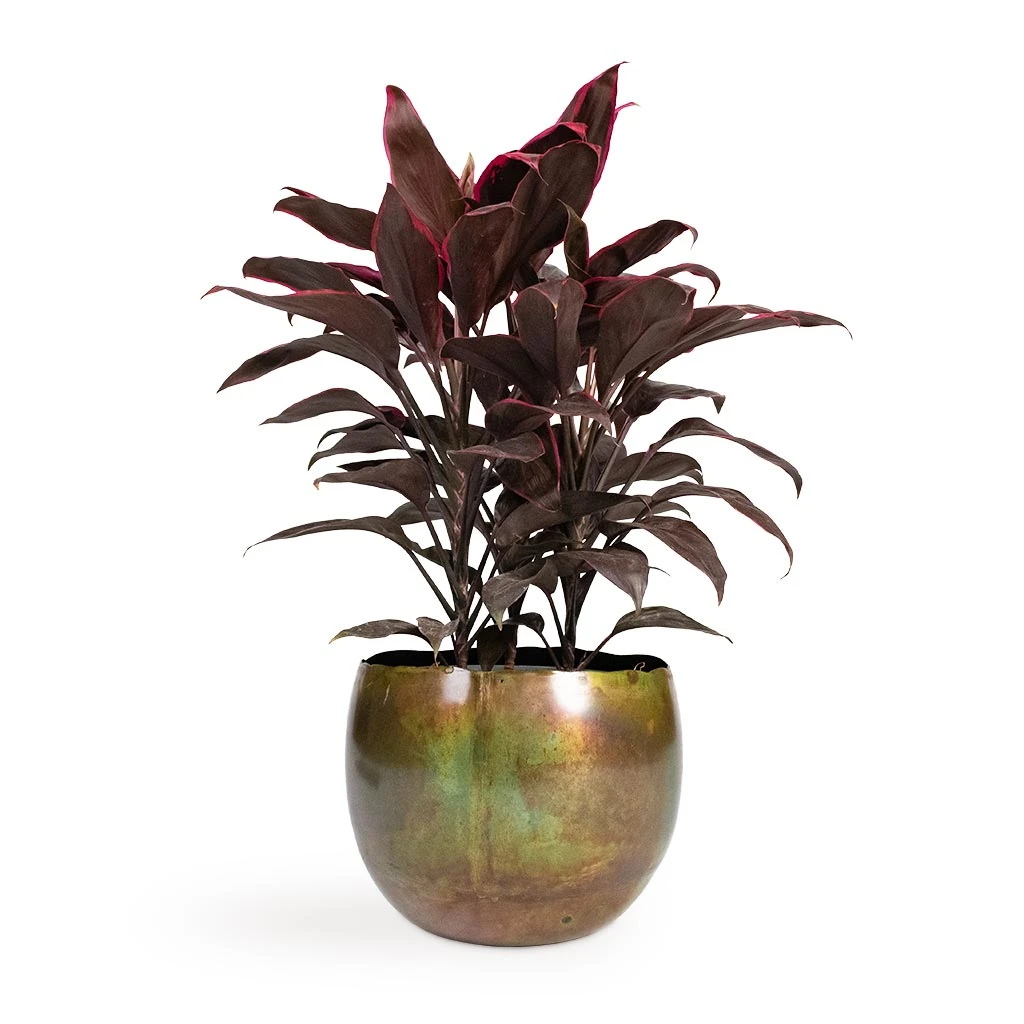
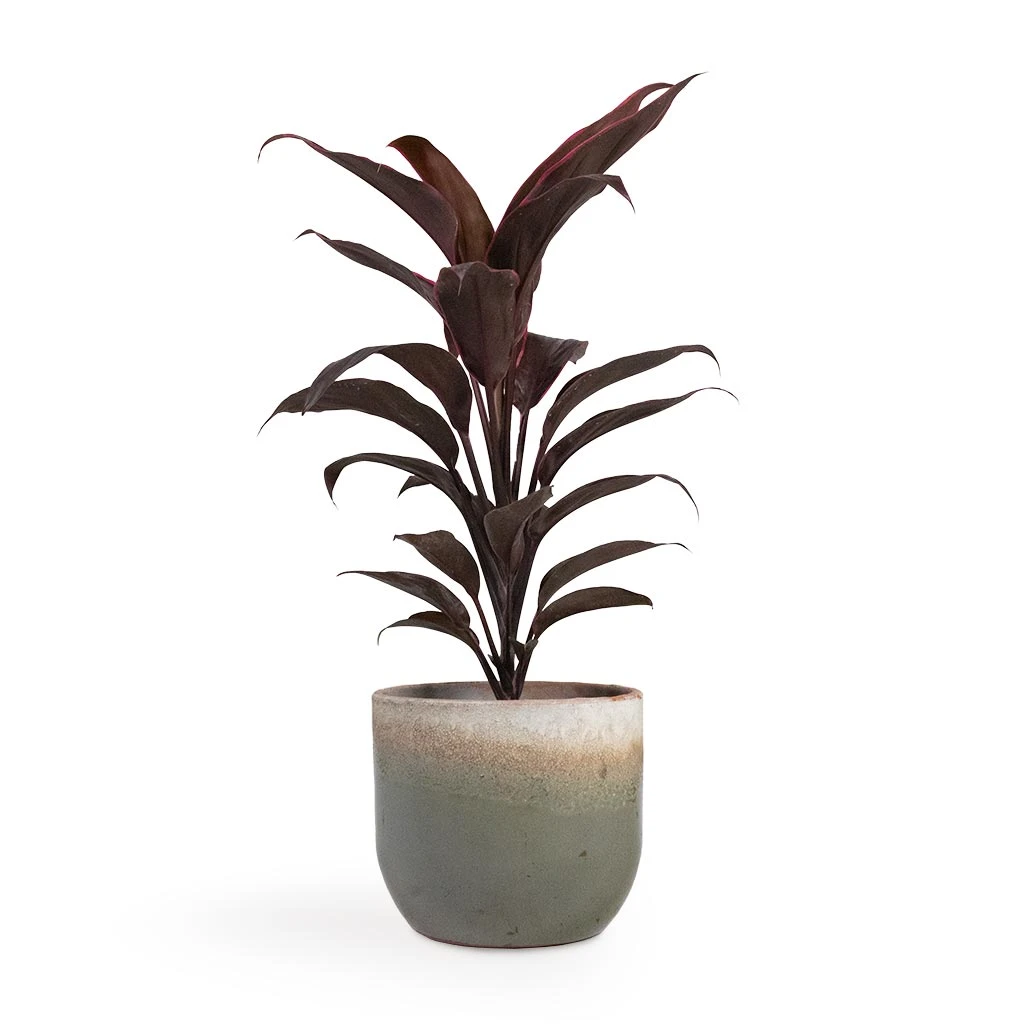
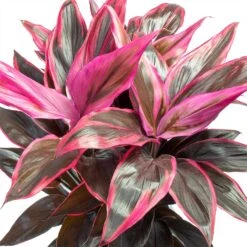
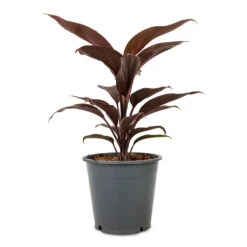
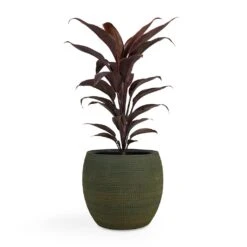
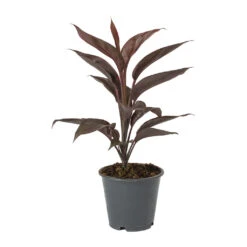
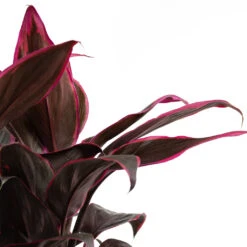
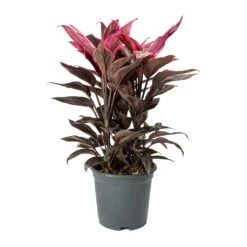
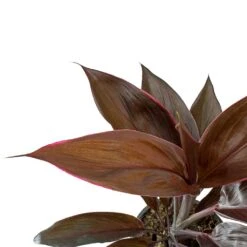
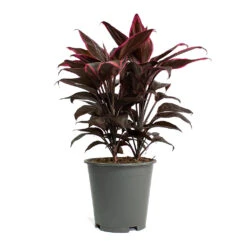
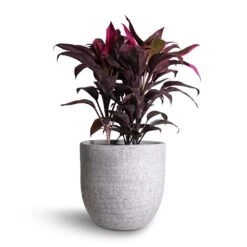
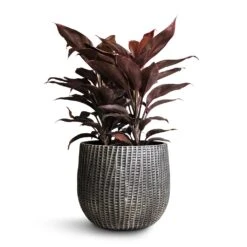
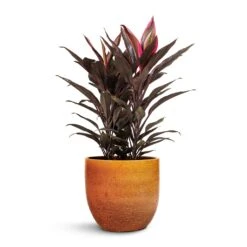
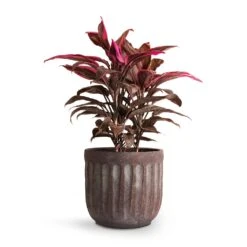
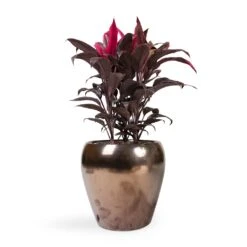
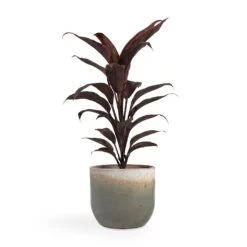
Cordyline fruticosa Mambo is a wonderfully colourful tropical foliage plant, with lovely glossy maroon tinged leaves that branch off a central stem. They form in a manner similar to Dracaena (they are both members of the same family), with their lower leaves dying to encourage new growth as the plant develops. Cordyline fruticosa is also sometimes known as Cordyline terminalis, or even Dracaena terminalis. Their common names include Good Luck Plant, Ti Tree and Baby Doll Ti.
Cordyline fruticosa Mambo – Hawaiian Ti Plant Care & Info Guide
Horty Hints
Seeing spots! This plant can be susceptible to fungal leaf spot. Minimise infections by watering from soil level or sit in a basin of water for 10 mins, keeping the leaves dry.
Spray away! This plant prefers a to be watered less and misted more. Place in high humidity environments to improve plant vigour.
Wipe leaves with a damp cloth to remove accumulated dust. Remove any dead leaves to encourage new growth.

Light
Cordyline fruticosa Mambo does best in moderate to bright, indirect light. Avoid direct sunlight as this may damage the leaves. Fruticosa Mambo is one of the more shade tolerant Cordylines.

Watering
Drought tolerant but thrives if its soil is kept consistently moist. Allow the top of the soil to dry out slightly before watering and do not allow to stand in water. Reduce watering in winter. If possible use rain or filtered water to avoid brown leaf tips.

Temperature
Hawaiian Ti Plants enjoy average to warm household temperatures from 18-27°C. Ensure your plant is always above 13°C and avoid draughts as these can create undesirable temperature fluctuations.

Humidity
Additional humidity is preferable. Increase humidity levels by standing on a wet pebble tray and misting regularly. The Hawaiian Ti is ideal for steamier rooms like the kitchen or bathroom.

Feed
Apply a weak solution of liquid fertiliser once or twice a month during the growing season. Do not use fertilisers containing fluoride.

Height & Growth Rate
The Hawaiian Ti Plant is a moderate-grower, reaching heights of around 1 metre to 1.5 metres indoors once fully grown.

Toxicity
The fruticosa Mambo’s sap is considered poisonous. Keep plants away from children and pets and take care when handling.

Air Purifying
This plant filters airborne toxins such as such as formaldehyde, benzene and trichloroethylene from the atmosphere and is part of our clean air plant collection.

Origin
Cordyline fruticosa Mambo is native to South East Asia and the Western Pacific Ocean region.
| SIZE: Pot Diameter x Total Height | 12 x 40cm, 13 x 45cm, 19 x 50cm |
|---|
Be the first to review “Cordyline Fruticosa Mambo – Hawaiian Ti Plant”
Related products
HOUSEPLANT STYLES
HOUSEPLANT STYLES
HOUSEPLANT STYLES
HOUSEPLANT STYLES
HOUSEPLANT STYLES
HOUSEPLANT STYLES
HOUSEPLANT STYLES
HOUSEPLANT STYLES
Reviews
There are no reviews yet.